
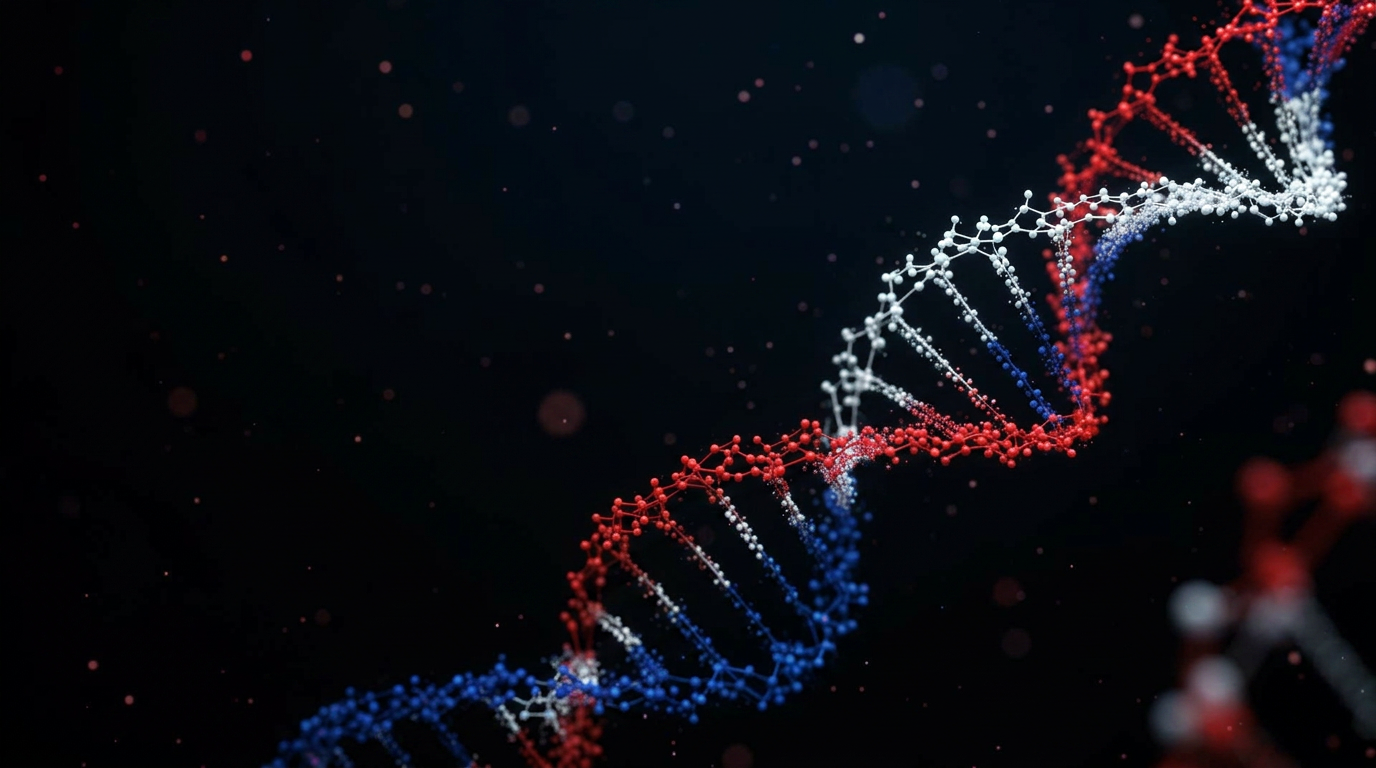

What Are Peptide Bonds?
Peptide bonds are covalent links between amino acids, forming the backbone of proteins and peptides. They are essential for maintaining the structure and function of these biological macromolecules.
Where Are Peptide Bonds Found?
Peptide bonds are primarily found in proteins, peptides, and some nucleic acids. They are critical in various biological processes, such as enzyme activity and cellular signaling.
In Proteins
- Structure: Peptide bonds link amino acids together in a polypeptide chain.
- Function: They determine protein shape, which is essential for biological activity.
Proteins such as antibodies, enzymes, and structural proteins are composed of long chains of amino acids connected by peptide bonds. For instance, collagen, a structural protein found in skin and connective tissues, relies on these bonds for its integrity.
In Peptides
- Short Chains: Peptides are shorter than proteins, typically consisting of 2 to 50 amino acids.
- Examples: Peptides, such as insulin and oxytocin, are formed through peptide bonds and play key roles in hormonal regulation.
Peptides are increasingly studied for their potential benefits in areas like muscle growth and recovery. For more information, check our article on the Best Peptides for Muscle Growth.
In Nucleic Acids
- Role: Peptide bonds are less common but can be found in some nucleic acid structures.
- Function: They help stabilize the structure of RNA and DNA alongside phosphodiester bonds.
While peptide bonds primarily connect amino acids, their presence in nucleic acids signifies their importance in broader biological contexts.
How Do Peptide Bonds Form?
Peptide bonds form through a dehydration synthesis reaction, where a carboxyl group of one amino acid reacts with the amino group of another, releasing a molecule of water. This process is crucial in protein synthesis during translation at the ribosome.
Steps in Peptide Bond Formation
- Initiation: The ribosome assembles around the mRNA.
- Amino Acid Activation: Amino acids are activated by tRNA.
- Elongation: The ribosome catalyzes the formation of peptide bonds between amino acids.
- Termination: The process continues until a stop codon is reached, releasing the newly formed polypeptide.
Why Are Peptide Bonds Important?
Peptide bonds play a vital role in biology. They are responsible for:
- Protein Structure: They determine the primary structure of proteins, influencing their overall shape and function.
- Biological Activity: Proper folding and function of enzymes and hormones depend on peptide bonds.
- Research Applications: Understanding peptide bonds aids in the development of peptides for therapeutic purposes, such as those found in Best Peptides for Recovery.
Summary
Peptide bonds are fundamental to the structure and function of proteins and peptides. Found in various biological compounds, they are critical for processes ranging from muscle growth to cellular metabolism.
Frequently Asked Questions
- What is a peptide bond?
- A peptide bond is a covalent bond formed between two amino acids, linking them in a protein or peptide chain.
- How do peptide bonds influence protein function?
- Peptide bonds determine protein structure, which directly affects its biological activity and function.
- Can peptide bonds be broken?
- Yes, peptide bonds can be hydrolyzed, breaking proteins down into their constituent amino acids.
- Are peptide bonds found in all proteins?
- Yes, all proteins are made up of amino acids connected by peptide bonds.
- What is the significance of peptide bonds in research?
- Peptide bonds are crucial for understanding protein synthesis and developing peptides for various applications, including muscle growth and recovery.