
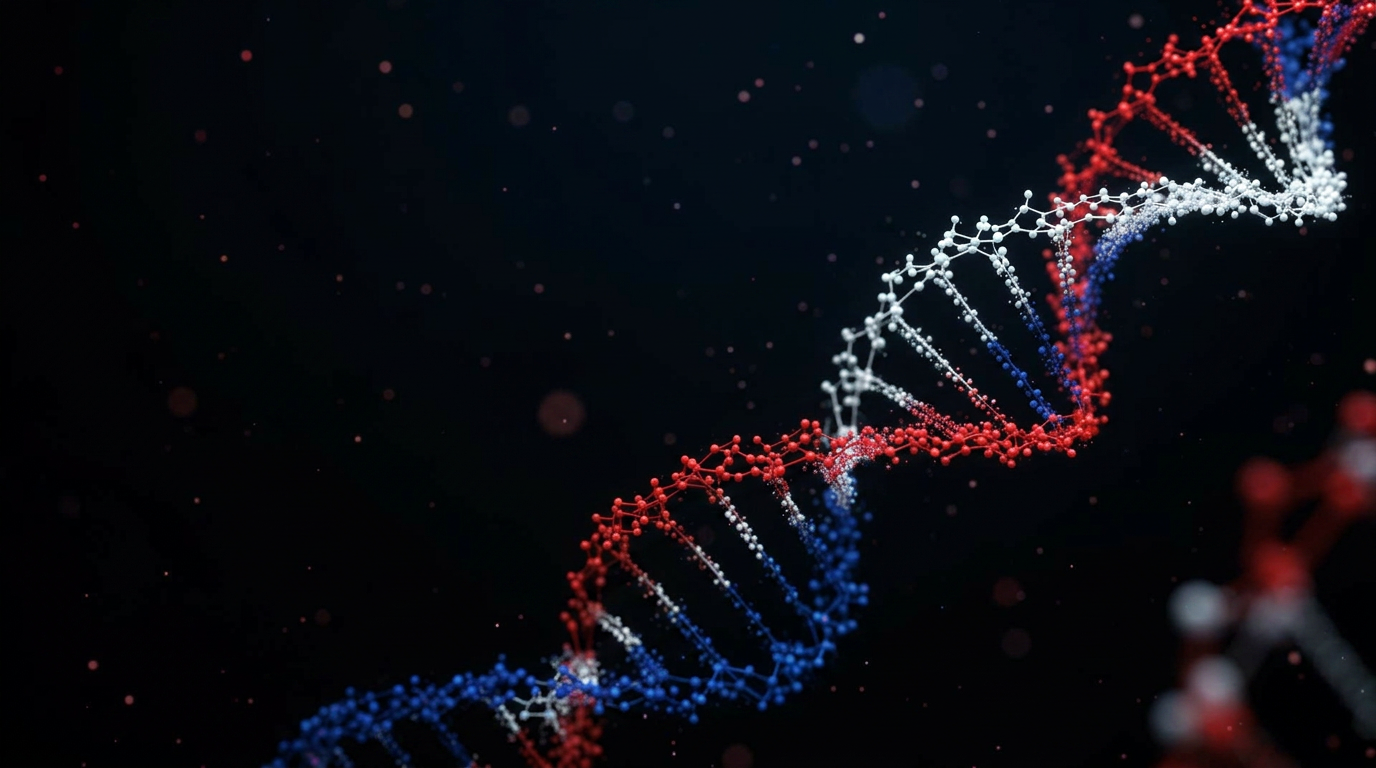

What is a peptide chain?
A peptide chain is a sequence of amino acids linked by peptide bonds, forming the building blocks of proteins. These chains can vary in length and function, essential for biological processes.
How are peptide chains formed?
Peptide chains are formed through a process called translation, where ribosomes synthesize proteins based on messenger RNA (mRNA) templates. The key steps include:
- Initiation: Ribosome binds to mRNA.
- Elongation: tRNA delivers amino acids.
- Termination: Completed peptide chain is released.
What is the structure of a peptide chain?
Peptide chains have a primary structure defined by the sequence of amino acids. They can also fold into secondary structures, like alpha helices and beta sheets. The final three-dimensional shape is crucial for the peptide's function.
What are the functions of peptide chains?
Peptide chains play various roles in biological systems, including:
- Catalysis: Enzymes speed up biochemical reactions.
- Signaling: Hormones, such as insulin, regulate physiological processes.
- Defense: Antimicrobial peptides protect against pathogens.
How do peptide chains relate to peptides and proteins?
Peptides are shorter chains of amino acids, typically containing 2-50 amino acids. Proteins are longer chains, consisting of 50 or more amino acids. Both are crucial for biological function, with specific peptides, such as BPC-157 and TB-500, demonstrating unique properties in research.
Why are peptide chains important in research?
Peptide chains are vital for understanding biological processes and developing new therapies. They are used in various research areas, including:
- Muscle growth: Investigating peptides like IGF-1 and growth hormone in enhancing muscle performance. Read more in our Best Peptides for Muscle Growth.
- Weight loss: Studying peptides like Melanotan II for appetite regulation. Learn more in our Best Peptides for Weight Loss.
- Recovery: Exploring peptides that aid in tissue healing and recovery processes. See our Best Peptides for Recovery for details.
- Cognitive function: Examining peptides that can enhance memory and cognitive abilities. Discover more in our Best Peptides for Cognitive.
What are the challenges in studying peptide chains?
Studying peptide chains can present several challenges:
- Stability: Peptides can be unstable and degrade quickly in biological environments.
- Delivery: Efficiently delivering peptides to target sites remains a hurdle.
- Cost: Synthesizing peptides can be expensive, impacting research budgets.
Conclusion
Understanding peptide chains is essential for advancing research in various fields. By exploring their structure and functions, researchers can unlock new therapeutic possibilities and improve our overall understanding of biological processes.
Frequently Asked Questions
- What is the difference between peptides and proteins?
- Peptides are shorter chains of amino acids, while proteins are longer and more complex structures.
- How do peptide bonds form?
- Peptide bonds form through a condensation reaction between the amino group of one amino acid and the carboxyl group of another.
- Can peptides be synthesized in the lab?
- Yes, peptides can be synthesized using solid-phase peptide synthesis (SPPS) techniques.
- What role do peptides play in muscle growth?
- Peptides, such as IGF-1, stimulate muscle growth and improve recovery times after exercise.
- Are peptide chains involved in signaling?
- Yes, many peptides act as hormones and signaling molecules in various biological processes.