
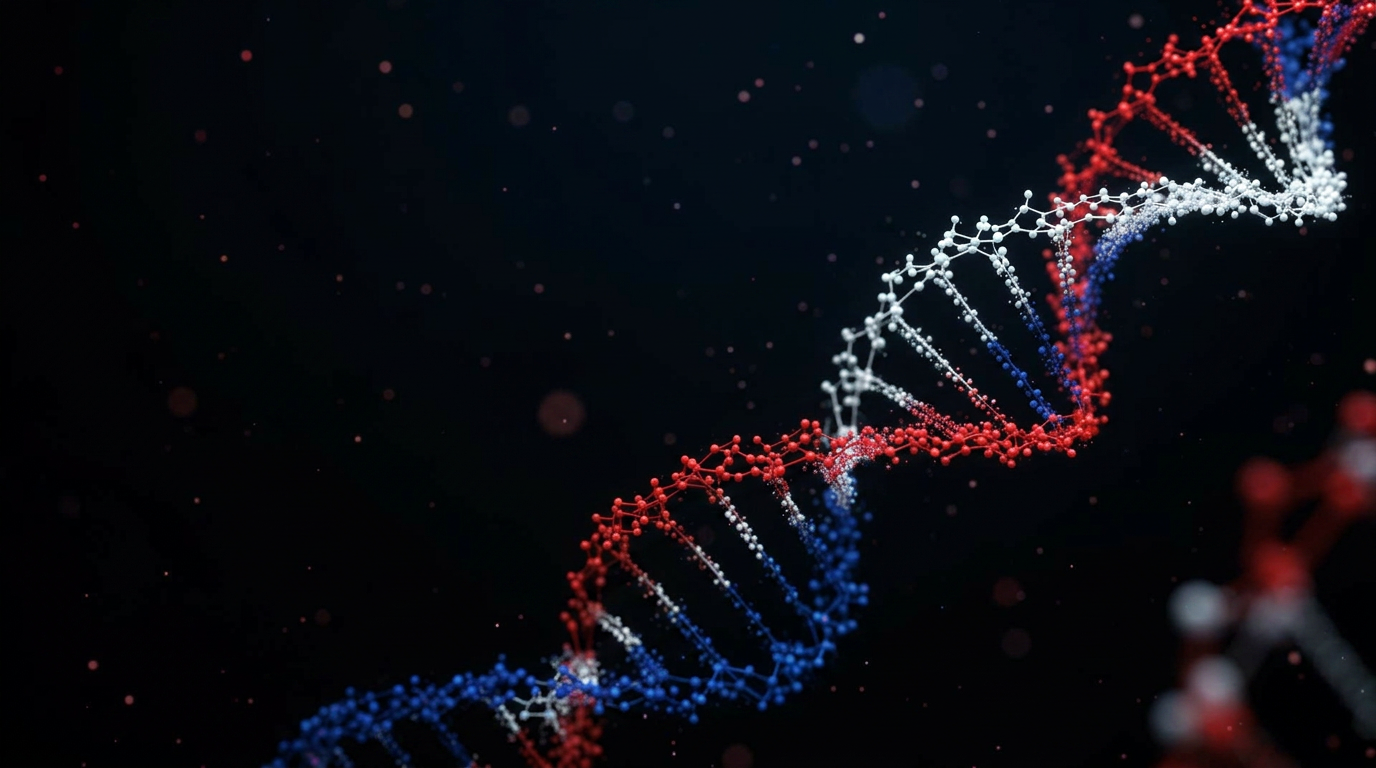

What is HGH?
HGH, or human growth hormone, is a peptide hormone composed of 191 amino acids. It plays a pivotal role in growth, metabolism, and muscle development.
How Does HGH Function in the Body?
HGH stimulates growth, cell reproduction, and regeneration. It influences various bodily functions through these mechanisms:
- Regulating metabolism: Enhances the body’s ability to convert food into energy.
- Stimulating growth: Promotes growth in bones and tissues, particularly during childhood.
- Supporting muscle growth: Aids in muscle mass increase by stimulating protein production.
What is the Structure of HGH?
The structure of HGH is defined by its sequence of amino acids. Its unique configuration allows it to interact with specific receptors, leading to its biological effects. This peptide is synthesized and secreted by the anterior pituitary gland.
What are the Benefits of HGH in Research?
Research has explored various benefits of HGH, particularly in muscle growth and recovery. Studies have shown:
- Increased muscle mass and strength.
- Enhanced recovery from injuries.
- Improved metabolism and fat loss.
These effects have been documented in clinical trials, paving the way for potential applications in sports and recovery contexts.
Are There Different Forms of HGH?
Yes, HGH exists in several forms, including:
- Somatropin: The most common synthetic form used in research.
- Somatrem: Another synthetic version, with a slight difference in amino acid sequence.
How is HGH Administered in Research Settings?
HGH is typically administered via injection in clinical studies. The administration method ensures precise dosing and effective absorption into the bloodstream.
What are the Legal Considerations Regarding HGH?
The legal status of HGH varies by country. In the United States, HGH is a controlled substance and is legally available only through prescription. Research uses must adhere to strict regulations. Visit our legal articles for more information.
What are Common Alternatives to HGH?
Researchers often explore alternatives to HGH, including:
- Peptides like Ipamorelin: Known for promoting growth hormone release.
- GHRP-6 (Growth Hormone Releasing Peptide-6): Stimulates growth hormone secretion without the need for HGH itself.
These alternatives can be effective for muscle growth and recovery, often discussed in articles about best peptides for muscle growth and best peptides for recovery.
Conclusion
HGH is a peptide with significant implications in growth and metabolism research. Understanding its role and structure helps clarify its potential in various applications, including muscle growth and recovery.
Frequently Asked Questions
- Is HGH safe for all individuals?
- HGH usage should be based on research contexts and is not recommended outside of medical supervision.
- Can HGH promote fat loss?
- Research indicates HGH may aid in fat loss by enhancing metabolism, but results vary.
- How long does HGH remain active in the body?
- HGH has a half-life of approximately 20-30 minutes, but its effects can last longer.
- Are there side effects of HGH?
- Potential side effects include joint pain, swelling, and increased insulin resistance, reported in various studies.