
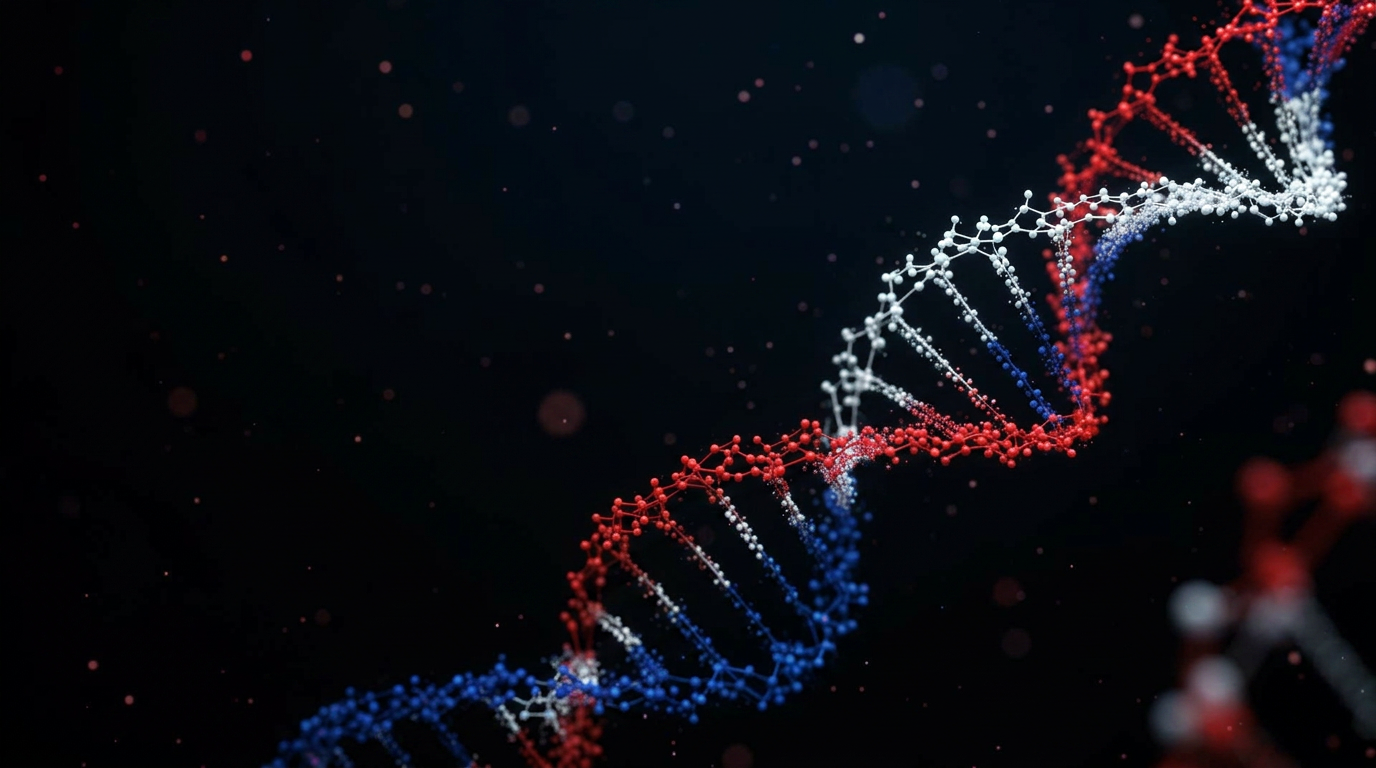

What is Growth Hormone?
Growth hormone (GH), also known as somatotropin, is a peptide hormone responsible for stimulating growth, cell reproduction, and cell regeneration in humans and other animals.
How is Growth Hormone Classified?
Growth hormone is classified as a peptide due to its structure, consisting of 191 amino acids. It is produced in the anterior pituitary gland and is crucial for various physiological functions.
Why is GH Considered a Peptide?
- Amino Acid Structure: Growth hormone is made up of amino acids, a defining characteristic of peptides.
- Biological Function: It regulates metabolism and growth, which aligns with the functions of many peptides.
- Molecular Size: At approximately 22 kDa, GH fits within the molecular weight range typical for peptides.
What Functions Does Growth Hormone Serve?
Growth hormone impacts several bodily functions, including:
- Stimulating Growth: Promotes growth in tissues and bones.
- Regulating Metabolism: Influences carbohydrate, protein, and fat metabolism.
- Enhancing Muscle Mass: Encourages muscle growth and recovery post-exercise.
- Supporting Immune Function: Contributes to the overall health of the immune system.
How is Growth Hormone Used in Research?
In research settings, growth hormone is explored for its potential effects on muscle growth, recovery, and overall health. Trials have studied its impact in various contexts, including:
- Aging: Investigating GH's role in combating age-related decline in muscle mass.
- Athletic Performance: Assessing its effects on performance enhancement and recovery in athletes.
- Body Composition: Analyzing GH's influence on body fat reduction and muscle gain.
For muscle growth, peptides such as Ipamorelin, BPC-157, and TB-500 have also been researched for their benefits.
What are the Legal Considerations Surrounding Growth Hormone?
The use of growth hormone is strictly regulated. In the U.S., it is classified as a prescription drug and is prohibited in competitive sports. It is important to be aware of the legal implications when considering its use for research.
Comparisons with Other Peptides
Growth hormone can be compared with other popular peptides:
- Insulin: Another peptide hormone that regulates glucose levels.
- GHRP-6 and GHRP-2: Peptides that stimulate the release of growth hormone.
- CJC-1295: A growth hormone-releasing hormone that enhances GH secretion.
These peptides can have synergistic effects when combined with growth hormone in research studies.
Conclusion
Growth hormone is indeed a peptide and plays a multifaceted role in growth and metabolism. Its applications in research continue to expand, with ongoing studies examining its potential benefits and uses in various fields of health and fitness.
Frequently Asked Questions
- Is growth hormone the same as insulin?
- No, growth hormone and insulin are different peptides with distinct functions in the body.
- Can growth hormone be used for muscle recovery?
- Research studies examine growth hormone's role in muscle recovery, showing potential benefits in specific contexts.
- What other peptides are beneficial for muscle growth?
- Peptides like Ipamorelin, BPC-157, and TB-500 are often researched for muscle growth.
- Are there legal issues with using growth hormone?
- Yes, growth hormone is a prescription drug and is banned in competitive sports; legal considerations are important.
- How does growth hormone affect metabolism?
- Growth hormone regulates metabolism by influencing how the body uses carbohydrates, fats, and proteins.