
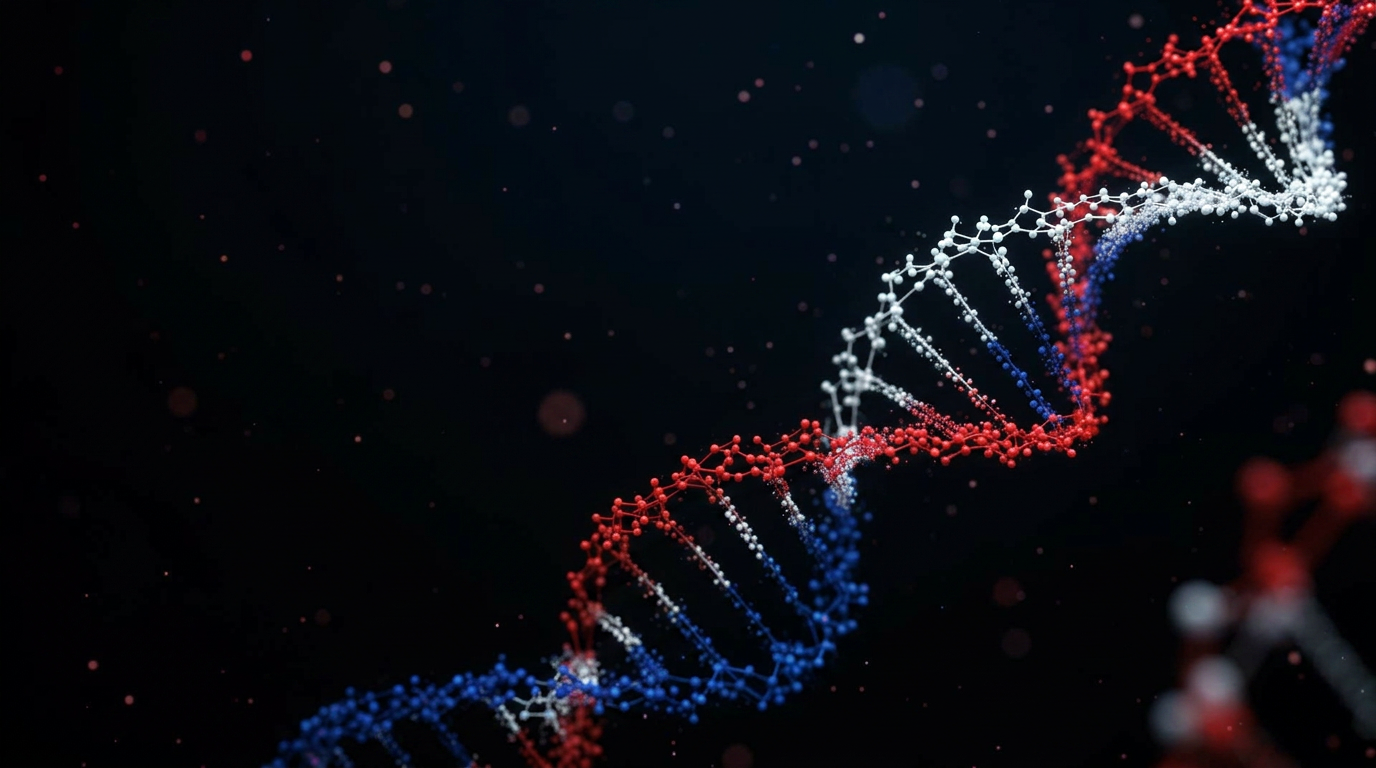

What Are Peptides and Their Role in Muscle Growth?
Peptides are short chains of amino acids that serve various functions in the body, including muscle repair and growth. They act as signaling molecules and can influence muscle protein synthesis.
How Do Peptides Support Muscle Growth?
Peptides support muscle growth through several mechanisms:
- Stimulating growth hormone release: Peptides like GHRP-6 and Ipamorelin trigger the pituitary gland to release growth hormone, aiding muscle recovery.
- Enhancing protein synthesis: Certain peptides increase the rate of protein synthesis, which is crucial for muscle repair and growth after exercise.
- Reducing recovery time: Peptides can promote faster recovery from workouts, allowing for more frequent and intense training sessions.
What Research Supports the Use of Peptides for Muscle Growth?
Numerous studies have demonstrated the efficacy of peptides in muscle growth:
- A study published in the Journal of Endocrinology (2013) found that GHRP-6 increased muscle mass in animal models.
- Research in Peptides journal (2016) highlighted that Ipamorelin led to noticeable improvements in lean body mass in subjects.
- Trials involving combination therapies using multiple peptides showed synergistic effects on muscle hypertrophy.
Which Peptides Are Most Effective for Muscle Growth?
Several peptides have been identified as particularly beneficial for muscle growth:
- GHRP-6: Known for its potent growth hormone-releasing properties.
- Ipamorelin: Offers similar benefits with fewer side effects compared to other GHRPs.
- CJC-1295: A long-acting GHRH analog that boosts growth hormone levels.
- HGH Fragment 176-191: Focuses on fat loss while preserving muscle mass.
For a comprehensive list of effective peptides, check out our Best Peptides for Muscle Growth article.
Are There Risks or Side Effects Associated with Peptide Use?
While peptides can be effective, they also carry potential risks:
- Injection site reactions: Localized pain or swelling can occur.
- Hormonal imbalances: Overuse may lead to excess hormone levels in the body.
- Legality issues: Some peptides are banned in competitive sports, making their use legally questionable.
Understanding these factors is crucial before considering peptide use for muscle growth.
How Should Peptides Be Administered for Muscle Growth?
Reported administration methods in trials include:
- Subcutaneous injections: Common for peptides like GHRP-6 and Ipamorelin.
- Intramuscular injections: Occasionally used for specific peptides depending on the absorption rate needed.
- Cycle protocols: Most studies recommend cycling peptides to prevent tolerance.
For more on dosing protocols and timing, refer to our Muscle Growth articles.
Conclusion: Do Peptides Really Work for Muscle Growth?
Current research indicates that peptides can effectively promote muscle growth through various mechanisms. While they offer promising results, understanding their use, benefits, and risks is essential for anyone considering them as part of their fitness regimen.
Frequently Asked Questions
- What are the most popular peptides for muscle growth?
- Popular peptides include GHRP-6, Ipamorelin, and CJC-1295.
- How do peptides enhance muscle recovery?
- Peptides stimulate growth hormone release and promote protein synthesis.
- Are there side effects of using peptides?
- Potential side effects include injection site reactions and hormonal imbalances.
- How are peptides typically administered?
- Peptides are generally administered via subcutaneous or intramuscular injections.