
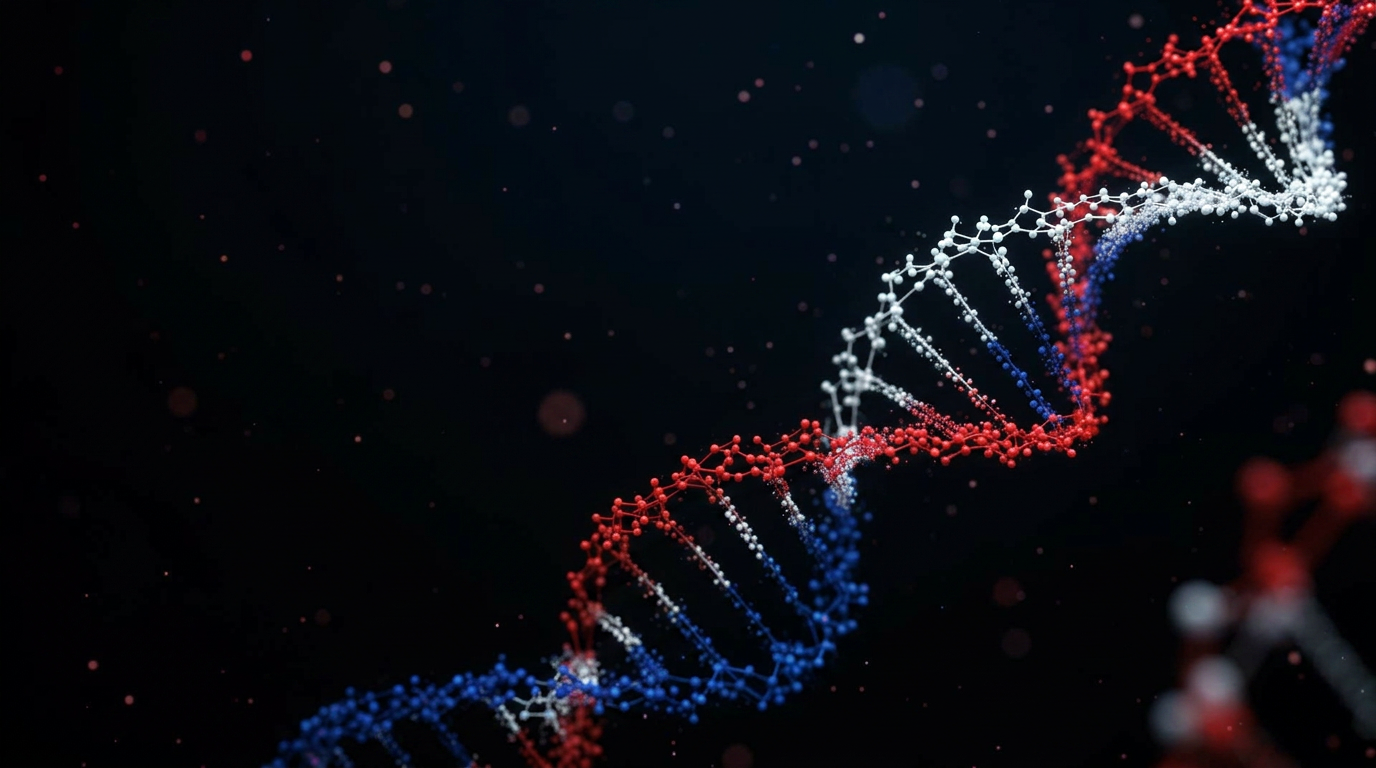

What Are Peptides?
Peptides are short chains of amino acids that play vital roles in biological functions. They are used in various research applications, such as muscle growth, recovery, and cognitive enhancement.
How Do Peptides Work in the Body?
Peptides work by signaling specific biological responses. They stimulate receptors and influence processes like hormone release, growth factor production, and cellular repair.
What Evidence Supports Peptide Efficacy?
Numerous studies validate the effectiveness of peptides in various applications. Key research findings include:
- Muscle Growth: Peptides like Ipamorelin and GHRP-6 have shown to enhance muscle mass in clinical trials.
- Weight Loss: Studies indicate that peptides such as CJC-1295 and AOD9604 promote fat loss by modulating metabolism.
- Recovery: Research on BPC-157 and TB-500 demonstrates improved healing rates for injuries.
Which Peptides Are Proven Effective?
Several peptides have garnered attention for their proven efficacy:
- Ipamorelin: Enhances growth hormone levels, aiding muscle growth.
- BPC-157: Known for its regenerative properties, particularly in tendon and muscle repair.
- CJC-1295: Boosts growth hormone release, promoting fat loss and muscle gain.
- AOD9604: A peptide variant that targets fat metabolism.
- TB-500: Supports recovery from injuries, particularly in muscle tissue.
Are There Risks Associated with Peptide Use?
While peptides can be effective, they are not without risks. Potential issues include:
- Quality Control: Due to varying manufacturing standards, peptide purity can differ significantly.
- Side Effects: Some users report reactions like headaches or injection site irritation.
- Legal Status: The legality of peptides varies, necessitating careful consideration and research.
How Can Peptides Be Used for Specific Goals?
Peptides can be tailored to specific goals, including:
- Muscle Growth: Utilize peptides like Best Peptides for Muscle Growth for increased lean mass.
- Weight Loss: Explore options like Best Peptides for Weight Loss to support fat reduction.
- Recovery: Incorporate Best Peptides for Recovery to enhance healing and reduce downtime.
- Aesthetic Goals: Consider Best Peptides for Aesthetic + Anti-Aging for skin rejuvenation and anti-aging benefits.
Conclusion: Do Peptides Really Work?
The evidence suggests that peptides can be effective for muscle growth, recovery, and aesthetic applications. Researchers continue to explore their potential, making them a promising area in sports and health science.
Frequently Asked Questions
- What are the common types of peptides used in research?
- Common peptides include GHRPs, CJC-1295, and BPC-157, each with unique benefits.
- Are peptides safe to use?
- Safety can vary; quality and dosage should always be considered.
- How are peptides administered?
- Peptides are typically administered via subcutaneous injection, though other forms exist.
- What should I consider before using peptides?
- Assess quality, legality, and specific goals to ensure proper usage.