
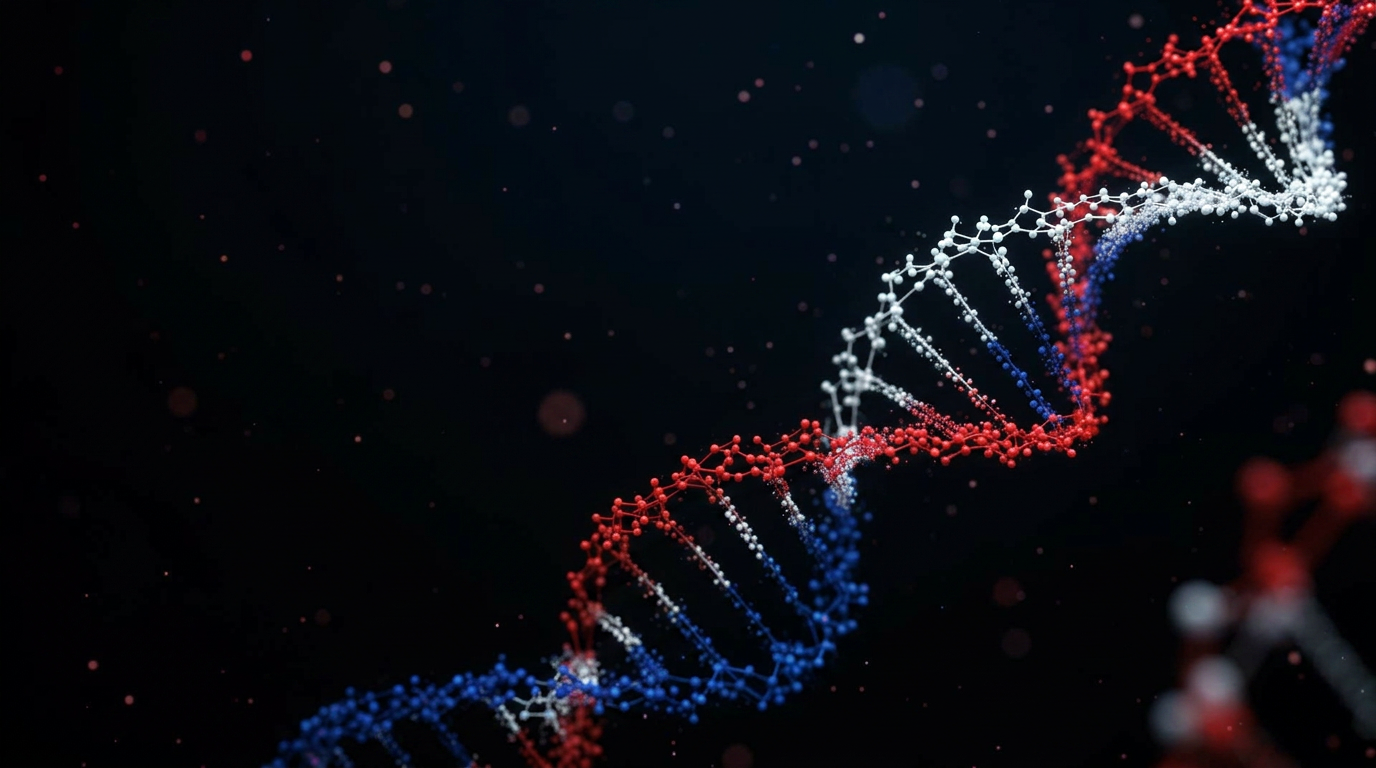

What Are Peptides?
Peptides are short chains of amino acids linked by peptide bonds. They are typically composed of 2 to 50 amino acids, unlike proteins, which consist of longer chains.
How Are Peptides Formed from Amino Acids?
Peptides are formed through a process called peptide synthesis. This involves the following steps:
- Amino Acid Selection: Specific amino acids, such as leucine, valine, and glycine, are chosen based on the desired peptide function.
- Peptide Bond Formation: Amino acids link together via peptide bonds, forming a chain. Each bond occurs between the carboxyl group of one amino acid and the amino group of another.
- Chain Elongation: The chain grows as additional amino acids are added, resulting in a peptide of desired length.
What Role Do Amino Acids Play in Peptides?
Amino acids serve as the building blocks of peptides. Each amino acid contributes specific properties, influencing the peptide’s overall function and activity. Common amino acids in peptides include:
- Glycine
- Alanine
- Arginine
- Leucine
What Are the Functions of Peptides in the Body?
Peptides play vital roles in various biological processes, including:
- Hormonal Regulation: Peptides like insulin regulate metabolism and blood sugar levels.
- Cell Signaling: Peptides act as signaling molecules, affecting cellular communication and response.
- Muscle Growth: Certain peptides stimulate muscle growth and repair, such as those discussed in Best Peptides for Muscle Growth.
How Are Peptides Used in Research?
Peptides are extensively used in scientific research for multiple purposes:
- Therapeutic Research: Investigating their roles in diseases, such as diabetes and cancer.
- Performance Enhancement: Exploring their potential benefits in physical performance and recovery, as seen in studies on Best Peptides for Recovery.
- Cognitive Enhancement: Testing peptides for cognitive improvement, highlighted in Best Peptides for Cognitive.
What Are Some Examples of Peptides Made of Amino Acids?
Several well-known peptides consist of specific amino acids, including:
- Insulin: Composed of 51 amino acids, essential for glucose metabolism.
- Glutathione: A tripeptide made of glutamine, cysteine, and glycine, crucial for antioxidant defense.
- BPC-157: Known for its regenerative properties, often explored in recovery contexts.
Conclusion
Peptides, made of amino acids, are fundamental in various biological functions. Their unique structures and compositions allow for diverse applications in research and potential therapeutic benefits. Understanding how peptides are formed and their roles can enhance knowledge in fields such as muscle growth, recovery, and cognitive enhancement.
Frequently Asked Questions
- What is the difference between peptides and proteins?
- Peptides are shorter chains of amino acids whereas proteins are longer chains, typically consisting of 50 or more amino acids.
- Can peptides be synthesized artificially?
- Yes, peptides can be synthesized in laboratories using chemical or biological methods, facilitating research and therapeutic applications.
- Are all peptides beneficial for health?
- Not all peptides have proven health benefits. Their efficacy depends on structure and specific biological activity.
- Where can I learn more about peptides for muscle growth?
- You can explore more on peptides for muscle growth in our article on Best Peptides for Muscle Growth.