
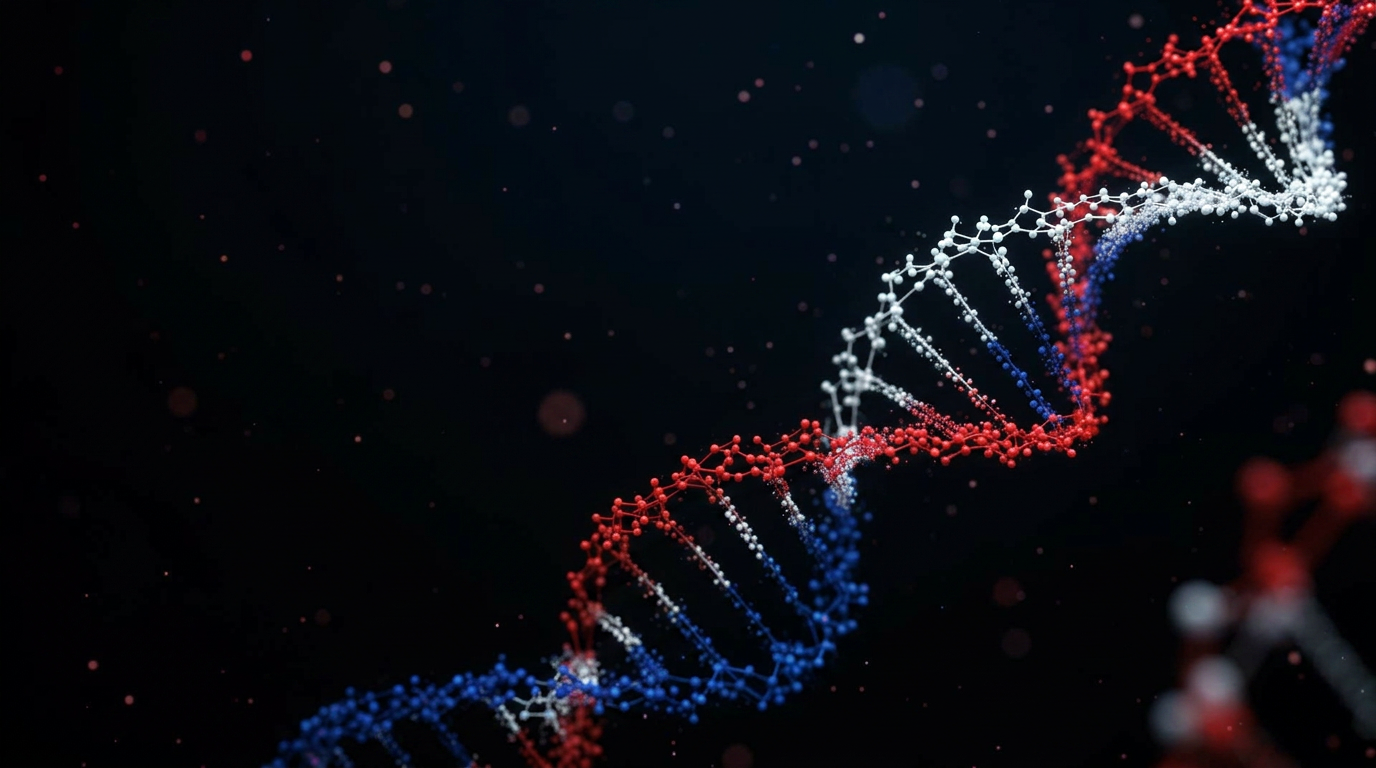

Peptides are formed by amino acids linked through peptide bonds, creating chains that can influence various biological functions.
How Are Peptides Structured?
Peptides consist of a sequence of amino acids, typically ranging from two to fifty. This sequence determines their function and properties.
Key Components of Peptides
- Amino Acids: Building blocks, such as glycine, leucine, and alanine.
- Peptide Bonds: Covalent bonds formed between amino acids, releasing water in the process.
- Functional Groups: Variations in the side chains of amino acids affect peptide activity.
What Types of Peptides Exist?
Peptides can be classified into various categories based on their structure and function.
Major Categories
- Signal Peptides: Involved in cell signaling, like insulin and growth hormone.
- Antimicrobial Peptides: Protect against pathogens, such as defensins and magainins.
- Neuropeptides: Function as neurotransmitters, examples include endorphins and substance P.
- Peptide Hormones: Regulate physiological processes, such as oxytocin and glucagon.
What Factors Influence Peptide Formation?
Several factors contribute to the formation of peptides, impacting their stability and functionality.
Influencing Factors
- Amino Acid Sequence: Determines the peptide's properties and biological activity.
- Environmental Conditions: pH and temperature can affect peptide bonding and stability.
- Post-Translational Modifications: Chemical changes after synthesis can alter peptide function.
What Are the Applications of Peptides in Research?
Peptides have diverse applications across various fields, from medicine to sports science.
Research Applications
- Muscle Growth: Peptides like BPC-157 and TB-500 are studied for their potential to enhance recovery and muscle repair. See more in our Best Peptides for Muscle Growth.
- Weight Loss: Certain peptides are explored for their role in appetite regulation and fat metabolism. Find details in our Best Peptides for Weight Loss.
- Energy Enhancement: Peptides can influence energy metabolism, as outlined in our Best Peptides for Energy.
- Cognitive Function: Some peptides are investigated for their effects on brain health and cognition, discussed in our Best Peptides for Cognitive.
How Are Peptides Synthesized in the Lab?
Laboratory synthesis of peptides involves several key processes that ensure purity and effectiveness.
Synthesis Steps
- Solid-Phase Peptide Synthesis (SPPS): A widely used method that enables the sequential addition of amino acids.
- Purification: Techniques like high-performance liquid chromatography (HPLC) are employed to isolate pure peptides.
- Characterization: Mass spectrometry and nuclear magnetic resonance (NMR) help confirm the structure and purity of synthesized peptides.
Conclusion
Understanding what forms peptides and their structural nuances is essential in research. Their diverse applications highlight their importance in various scientific fields, paving the way for innovative discoveries.
FAQ
- What are peptides made of? Peptides are made of amino acids linked by peptide bonds.
- What is the function of peptides? Peptides can act as hormones, signaling molecules, or antimicrobial agents.
- How are peptides synthesized? Peptides are synthesized through methods like solid-phase peptide synthesis.
- What are the applications of peptides? Peptides are used in muscle growth, weight loss, energy enhancement, and cognitive function.