
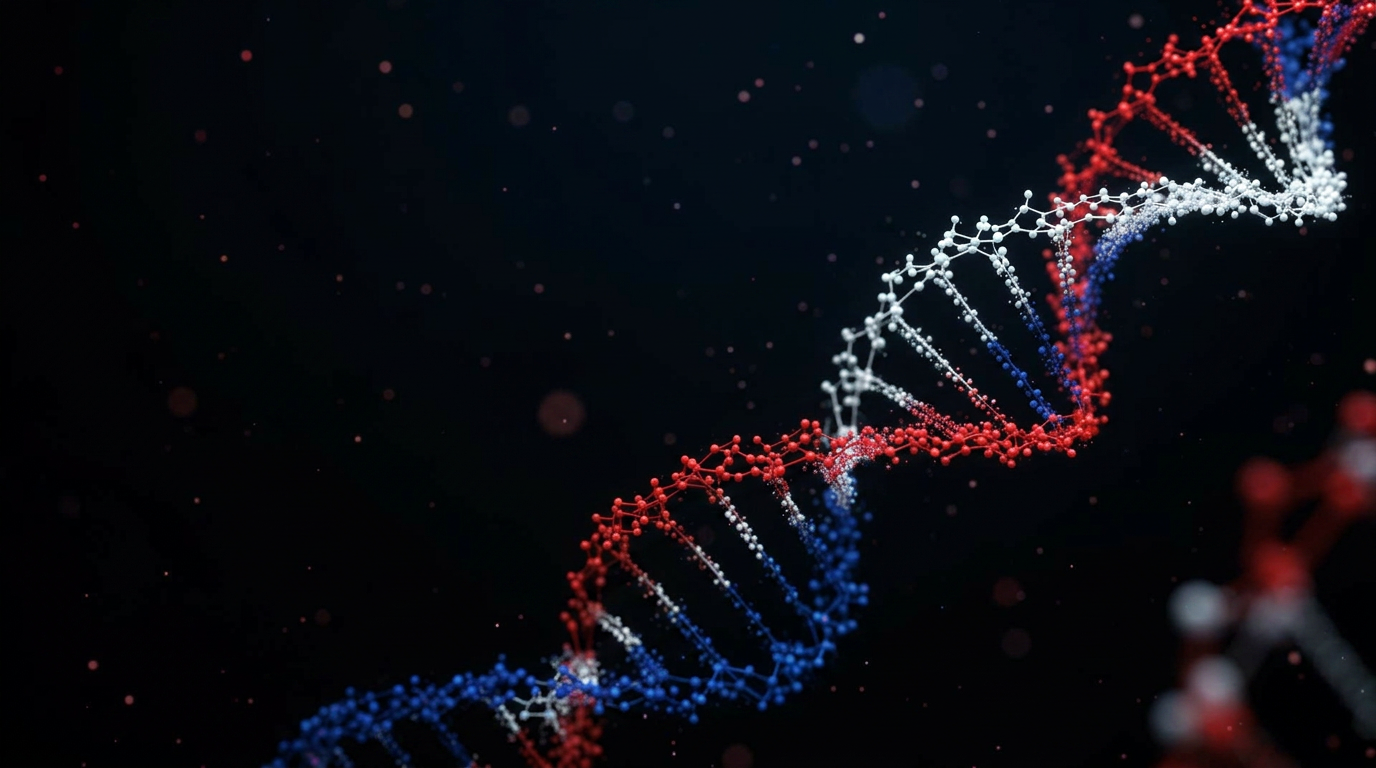

What is the main difference between peptides and proteins?
A peptide is a short chain of amino acids, typically consisting of 2 to 50 amino acids, while a protein is a longer chain, usually over 50 amino acids, often folding into complex structures.
How are peptides formed?
Peptides are formed through the process of peptide synthesis, which involves linking amino acids via peptide bonds. This process can occur naturally in the body or can be performed synthetically in laboratories.
How do proteins differ from peptides in structure?
Proteins have a more complex three-dimensional structure compared to peptides, which can be linear or only slightly folded. Proteins often consist of multiple peptide chains, known as subunits, which contribute to their functional shape.
What roles do peptides play in the body?
Peptides serve various functions, including:
- Acting as hormones, such as insulin and glucagon.
- Functioning as neurotransmitters, like endorphins.
- Serving as signaling molecules that regulate biological processes.
What roles do proteins play in the body?
Proteins are fundamental to numerous biological processes, including:
- Providing structural support in cells and tissues (e.g., collagen).
- Catalyzing biochemical reactions as enzymes.
- Transporting molecules within cells and throughout the body (e.g., hemoglobin).
Can peptides be converted into proteins?
Peptides cannot be directly converted into proteins. Instead, they can serve as building blocks for protein synthesis by being incorporated into longer chains through ribosomal translation.
Are there different types of peptides?
Yes, peptides can be classified into several categories:
- Hormonal peptides: Regulate physiological processes (e.g., oxytocin).
- Neuropeptides: Affect neuronal signaling (e.g., substance P).
- Antimicrobial peptides: Protect against pathogens (e.g., defensins).
How are peptides used in research?
Peptides are extensively utilized in research for various applications:
- Muscle growth: Investigating peptides like GHRP-6 and Ipamorelin for anabolic effects. Best Peptides for Muscle Growth
- Weight loss: Studying the impacts of peptides on metabolism and fat reduction. Best Peptides for Weight Loss
- Cognitive enhancement: Exploring peptides for neuroprotection and memory improvement. Best Peptides for Cognitive
How are peptides administered in research settings?
Peptides can be administered through various methods, including:
- Injection (subcutaneous or intramuscular).
- Oral formulations (if stable enough).
- Intranasal delivery for specific peptides.
Conclusion: Peptides and Proteins in Biological Context
Understanding the distinction between peptides and proteins is crucial for research. Both are vital, yet they serve different roles and functions in biological systems, affecting everything from muscle growth to cognitive function.
Frequently Asked Questions
- Are peptides smaller than proteins?
- Yes, peptides are shorter chains of amino acids compared to proteins, which are longer and more complex.
- Can peptides be used to build proteins?
- Peptides cannot directly build proteins but serve as building blocks during protein synthesis.
- Are all peptides synthetic?
- No, peptides can be naturally occurring in the body or synthesized in laboratories for research.
- What are some common uses of research peptides?
- Research peptides are used in studies on muscle growth, weight loss, cognitive enhancement, and recovery.
- How are peptides measured in research?
- Peptides are typically measured in milligrams or micrograms, depending on their concentration and application.