
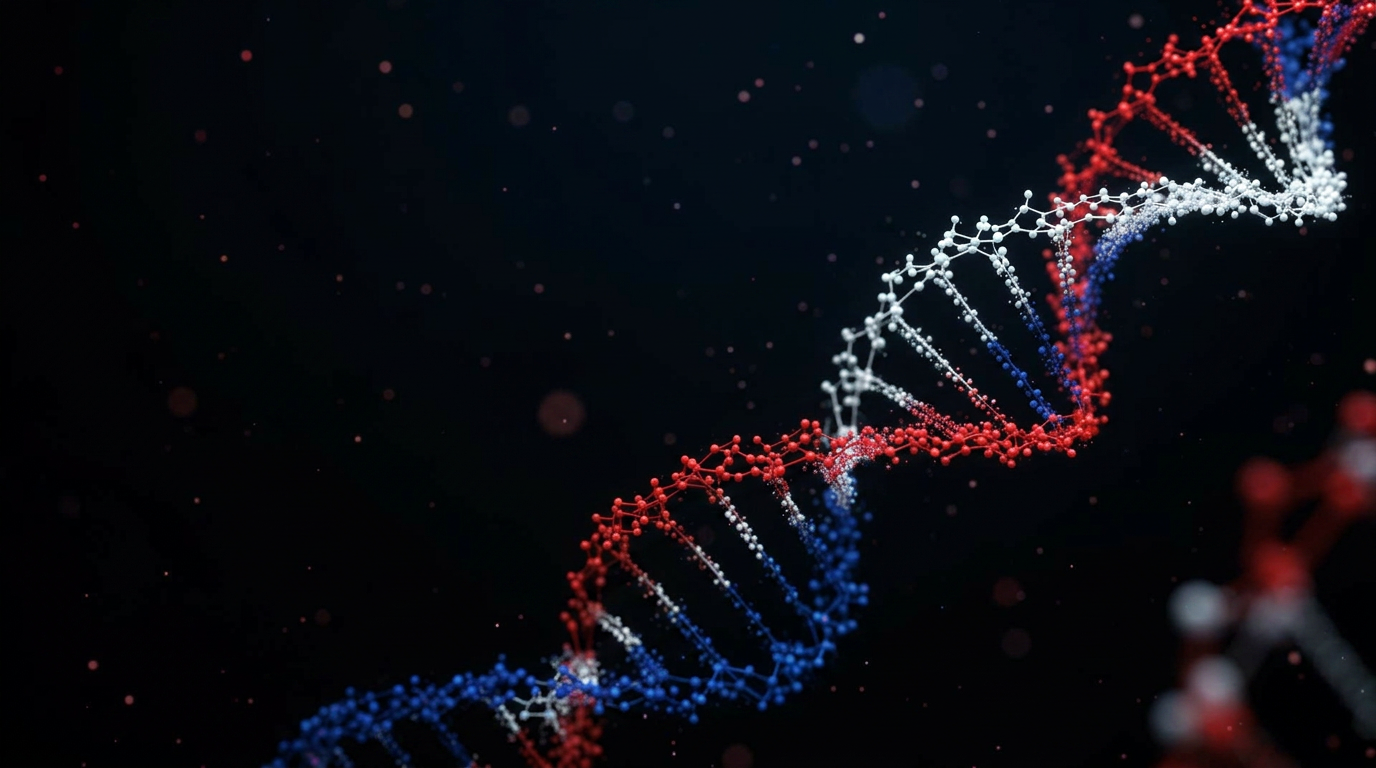

What Are Peptides and Lipids?
Peptides are short chains of amino acids, while lipids are molecules that include fats, oils, and waxes. Both play crucial roles in biological functions, but they differ significantly in structure and function.
How Are Peptides Different from Lipids?
Peptides differ from lipids in composition, structure, and function:
- Composition: Peptides consist of amino acids, whereas lipids are made up of fatty acids and glycerol.
- Structure: Peptides form chains, while lipids can exist as simple fatty acids or more complex structures like phospholipids.
- Function: Peptides often act as hormones or signaling molecules, while lipids serve as energy sources and structural components of cell membranes.
What Functions Do Peptides Serve in the Body?
Peptides perform various functions, including:
- Hormonal regulation: Peptides like insulin regulate glucose levels.
- Muscle growth: Peptides such as growth hormone-releasing peptides stimulate muscle growth, detailed further in Best Peptides for Muscle Growth.
- Wound healing: Some peptides promote tissue repair, as explored in Best Peptides for Recovery.
How Do Lipids Function in Biological Processes?
Lipids play essential roles such as:
- Energy storage: Lipids store energy in the form of triglycerides.
- Cell membrane structure: Phospholipids form the bilayer of cell membranes, crucial for cellular integrity.
- Signaling: Certain lipids act as signaling molecules, influencing various biological pathways.
Can Peptides and Lipids Interact in Biological Systems?
Yes, peptides and lipids can interact, particularly in cell signaling and membrane dynamics. For example, some peptide hormones bind to receptors on lipid membranes to exert their effects.
What Are Examples of Peptide Types?
Different types of peptides include:
- Hormonal peptides: Insulin, glucagon.
- Neuropeptides: Endorphins, substance P.
- Signal peptides: Responsible for directing proteins to their destinations. These peptides, such as BPC-157 and TB-500, are extensively studied for their roles in healing and recovery.
What Are Examples of Lipid Types?
Common lipid types include:
- Triglycerides: Main form of stored energy.
- Phospholipids: Essential for cell membranes.
- Steroids: Hormones like cholesterol.
How Are Peptides Used in Research?
Peptides are widely used in research for:
- Therapeutic developments: Investigating their roles in muscle growth, weight loss, and recovery.
- Vaccine development: Using peptide antigens to stimulate immune responses.
- Biomarker discovery: Identifying peptides that indicate disease states. Research on peptides like NAD+ has gained attention, as outlined in our NAD+ Peptide Guide.
Conclusion: Peptides vs. Lipids
In summary, peptides are not lipids. They serve unique functions in the body, contributing to various biological processes. Understanding their differences is crucial for research applications and therapeutic developments.
Frequently Asked Questions
- Are all peptides lipids?
- No, peptides are chains of amino acids, whereas lipids are composed of fatty acids.
- What roles do peptides play in health?
- Peptides are involved in hormone regulation, muscle growth, and more.
- Can lipids and peptides interact?
- Yes, they can interact, particularly in cell signaling processes.
- Are peptides used in therapy?
- Yes, certain peptides are researched for therapeutic applications in various fields.