
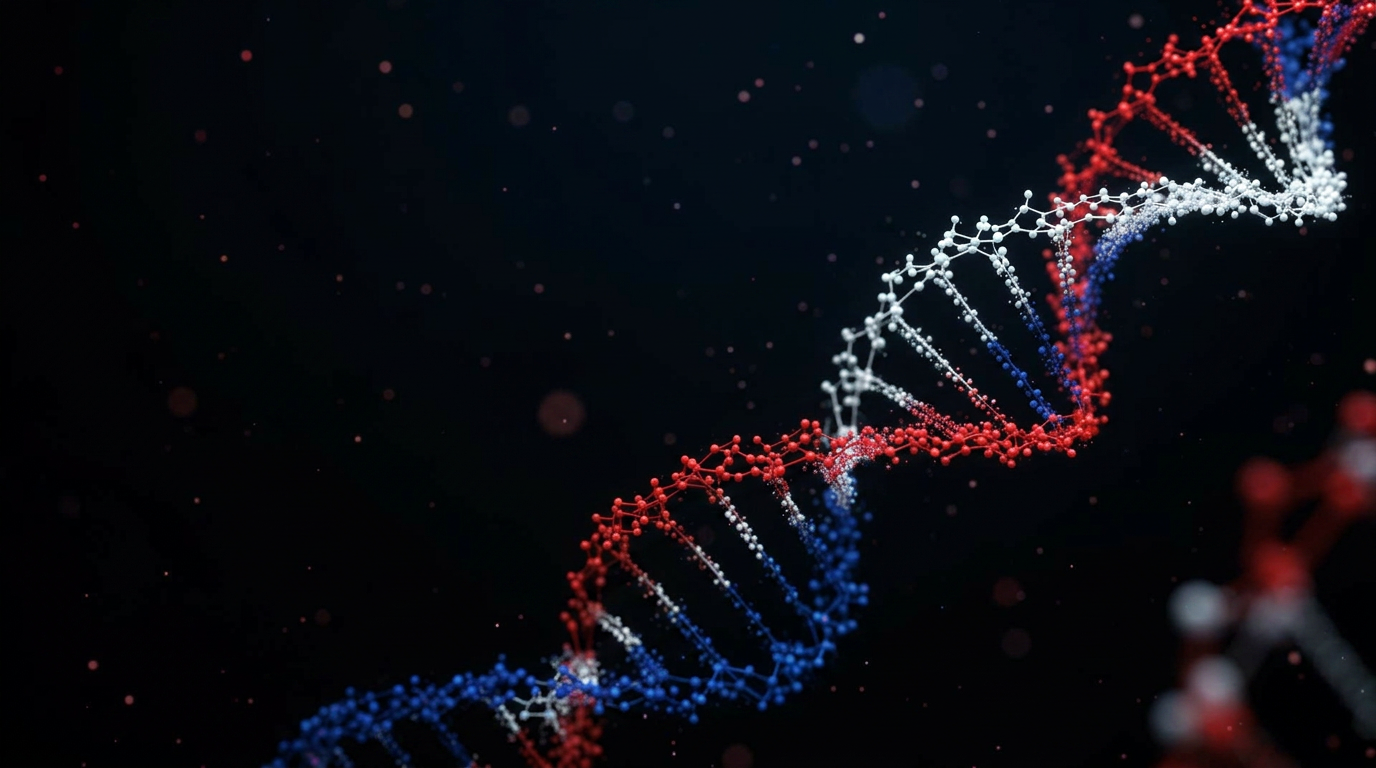

What is Insulin?
Insulin is a peptide hormone produced by the pancreas that regulates blood glucose levels. It facilitates the uptake of glucose into cells, ensuring energy availability.
How is Insulin Structured as a Peptide Hormone?
Insulin consists of 51 amino acids arranged in two chains: A and B. The chains are linked by disulfide bonds, forming a specific three-dimensional structure critical for its function.
What Role Does Insulin Play in the Body?
Insulin's primary roles include:
- Regulating blood glucose: It lowers blood sugar levels by promoting glucose uptake in cells.
- Stimulating protein synthesis: Insulin fosters the creation of proteins from amino acids.
- Facilitating fat storage: It encourages the storage of excess glucose as fat for energy reserve.
How is Insulin Involved in Metabolism?
Insulin impacts several metabolic pathways:
- Carbohydrate metabolism: It promotes glycogenesis, converting glucose to glycogen for storage.
- Lipid metabolism: Insulin inhibits lipolysis, the breakdown of fats.
- Protein metabolism: It enhances amino acid uptake and protein synthesis.
What Factors Influence Insulin Secretion?
Several factors affect how much insulin is secreted by the pancreas:
- Blood glucose levels: Higher glucose levels stimulate insulin release.
- Dietary intake: Carbohydrate-rich meals prompt greater insulin secretion.
- Physical activity: Exercise can increase insulin sensitivity and efficiency.
What is the Relationship Between Insulin and Peptide Hormones?
Insulin is classified as a peptide hormone due to its amino acid composition. Other examples of peptide hormones include glucagon, growth hormone, and leptin, all of which play significant roles in metabolism and energy regulation.
Why is Insulin Important in Research?
Insulin is a focal point in various research areas:
- Diabetes research: Understanding insulin resistance is crucial for developing diabetes treatments.
- Weight management: Studies investigate how insulin affects appetite and fat storage, contributing to weight loss strategies. Learn more in our Best Peptides for Weight Loss article.
- Muscle growth: Insulin's role in protein synthesis makes it essential in muscle growth research. For more insights, visit our Best Peptides for Muscle Growth.
What Are the Implications of Insulin Dysregulation?
Dysregulation of insulin can lead to serious health issues:
- Type 1 diabetes: The body does not produce insulin.
- Type 2 diabetes: The body becomes resistant to insulin, leading to elevated blood glucose levels.
- Metabolic syndrome: Insulin resistance is a key factor in this condition, which increases the risk of cardiovascular diseases.
How is Insulin Administered in Clinical Settings?
Insulin is typically administered via:
- Injections: Subcutaneous injections are common for diabetes management.
- Insulin pumps: These devices continuously deliver insulin.
- Inhalers: A newer method that allows for rapid absorption through the lungs.
Conclusion
Insulin is a crucial peptide hormone that regulates energy metabolism, affecting glucose, fat, and protein dynamics. Its implications in health and disease make it a vital subject of ongoing research.
Frequently Asked Questions
- What type of hormone is insulin?
- Insulin is a peptide hormone produced by the pancreas.
- How does insulin affect glucose levels?
- Insulin lowers blood glucose levels by promoting glucose uptake in cells.
- What are the effects of insulin resistance?
- Insulin resistance can lead to type 2 diabetes and metabolic syndrome.
- What other hormones are considered peptide hormones?
- Other peptide hormones include glucagon, growth hormone, and leptin.